
Thanks to a grant from the Tualatin Soil and Water Conservation District and the participation of many partner organizations, we have had an opportunity to dive into the ecology and horticulture of several plants that are now rare or uncommon in the Tualatin Valley. Many of these plants have not previously been cultivated at scale locally and have therefore been unavailable for restoration practitioners. This project has represented an important step forward in understanding and managing these plants, hopefully increasing their chances of remaining a part of the Tualatin Valley flora in the future. This project also represents the successful collaboration of several partner organizations. The Tualatin Soil and Water Conservation District, OregonMetro, Clean Water Services, Columbia Land Trust, OregonFlora and the Rae Selling Berry Seed Bank all contributed key elements to the project, and we appreciate this chance to work with all of these partners on the critical task of stewarding native plant diversity.

OregonFlora provided critical plant occurence data early in the grant implentation process, winnowing locally rare species from hundreds of thousands of plant occurrence records. Starting with this data, we worked with local partners to refine a list of 30 plant species that were 1) likely to be useful for restoration managers and 2) likely to be successfully grown in a nursery setting. Armed with this list, we set out to locate source populations, collect seed, and propagate as many plants as we could within a 3-year grant window. It’s been quite a journey.
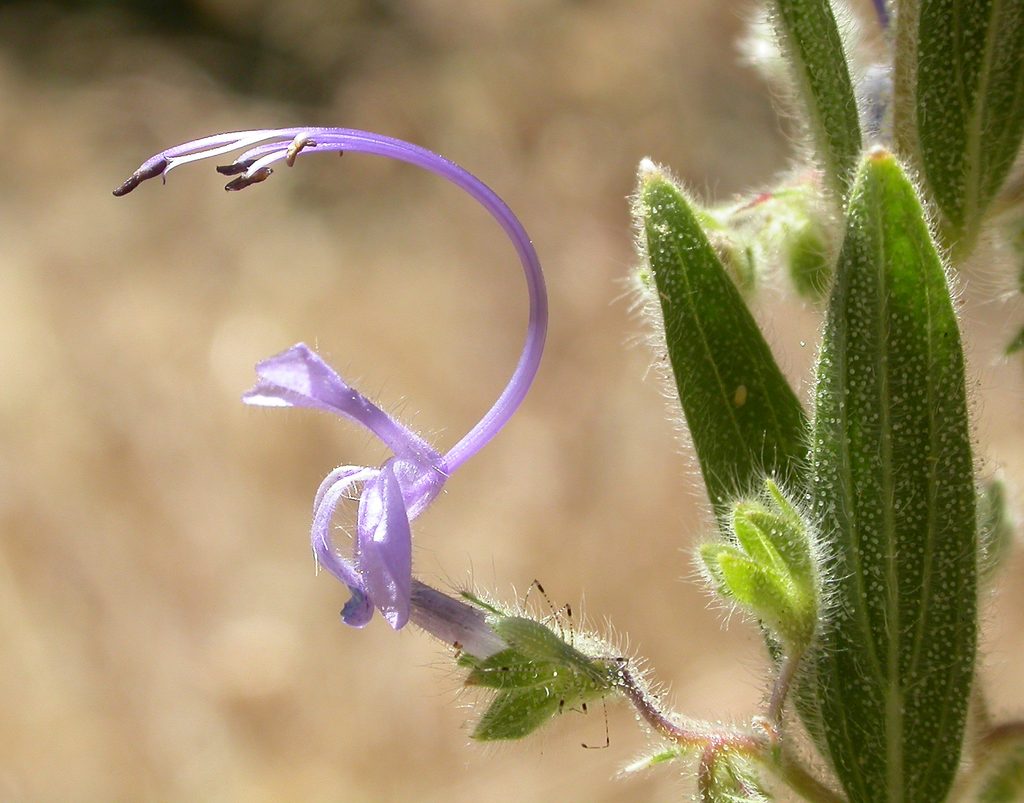
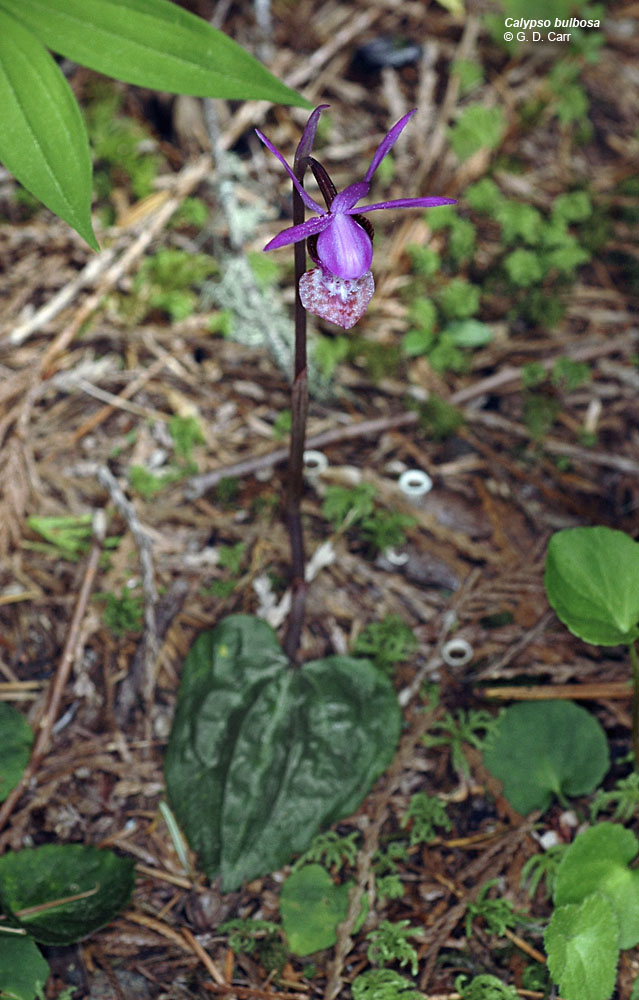
I’d like to first acknowledge the plants with which we made no progress beyond searching for suitable source populations. The largest local population of Calypso orchid (Calypso bulbosa) of which we are aware occurred in a naturally regenerated young mixed conifer stand along Highway 6. This population largely failed to set seed in the first year of the grant, and unfortunately, the stand has recently been logged and is slated to be broadcast sprayed. This was one of only two currently documented localities of this species in the County. Searches for birch-leaf spiraea (Spiraea betulifolia) at two of three known localities failed to yield any seed. Tiny mousetail (Myosurus minimus), known in the basin from only a single recent specimen, was not relocated. We found only a few small plants and no seed of vinegar-weed (Trichostema lanceolata) at the only current, reliable location for this plant. We were unable to relocate either northern bugleweed (Lycopus uniflorus) or Sierra peavine (Lathyrus nevadensis) at the sole known respective localities for these species in Washington County.
We were able to relocate source populations and collect apparently viable seed or propagules of all of the remaining 24 species on the list. Propagation of each species followed published or internally developed protocols for seed cleaning, stratification and culture, and all of these grow-out processes yielded usable plant materials except for bastard toadflax (Comandra umbellata) which failed to germ despite two different stratification and scarification processes. This hemi-parasite will require further research and grow-out trials to determine its seed preparation and other horticultural needs.

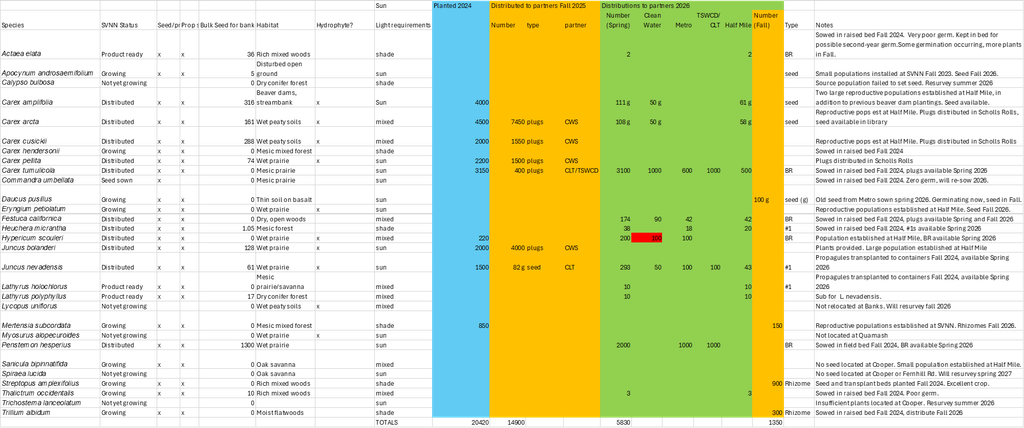
From the remaining 23 species collections, we were able to produce and distribute 22,080 plant propagules and 319 grams of seed have been distributed to partners through Fall 2026. These plants were outplanted at nine protected locations throughout the Tualatin Basin, dramatically increasing the number of known localities, and the future chances of success, for each of these species. Because population scouting, seed collection, seed processing and propagation took the majority of the grant period, outplanting success monitoring could not be completed under this grant. Future project work should include a retrospective look at outplanting site populations.
Rae Sellings Berry Seed Bank staff visited our facilities in Summer 2026 and reviewed our seed and propagation protocols. We were able to provide seed of 11 species from the target list for long-term storage at their facility. These seeds will be stored in a controlled environment and will be available for future research, restoration and propagation.

The following table summarizes seed collection, propagation and distribution records for all of the species included in this project. Additional details on any of the species are avaialble upon request. Inquiries may be addressed to wendy@schollsvalley.com .
This work addresses just a few of the uncommon plants which still occupy our county. Continued loss of habitat, incursions of non-native species and increasing use of herbicides, especially in forests, means that these 30 rare spoecies and manyt other uncommon native plants are likely to become even more rare in the future. Native plants are fundamental elements of our natural heritage and they are worthy of our care and stewardship. Thanks to our partners for taking active steps to conserve these valuable resources.
